Wealth management firms no longer compete solely on advice quality. They compete on experience, efficiency, and trust. Increasingly, those outcomes are shaped by the platform that runs the firm. The next generation of wealth management technology is AI-native by design, with intelligence embedded directly into data models, workflows, and execution. For RIAs and wealth firms, this represents a shift away from disconnected tools and surface-level AI features toward unified platforms that actively support how firms operate, scale, and deliver consistent client outcomes.
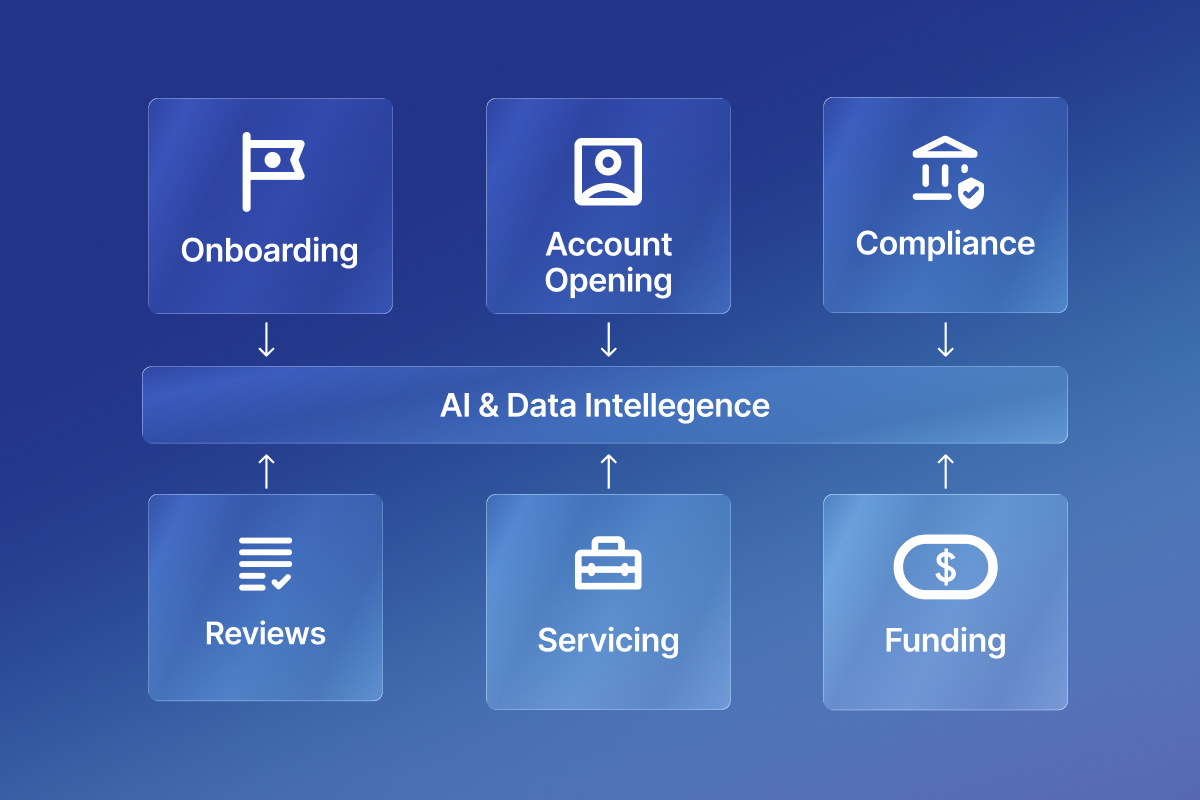
An AI-native wealth management platform is built with intelligence at its core, not layered on after the fact. Rather than simply displaying data or generating isolated insights, AI-native platforms use agentic intelligence to interpret context, coordinate workflows, and support decision-making across the firm. This enables advisors, operations, and compliance teams to move from manual task execution to orchestrated, outcome-driven work. The result is a platform that functions as an operating system for wealth management, improving productivity, consistency, and scalability as firms grow.
Industry research shows that firms using modern, integrated platforms outperform peers on productivity and retention. McKinsey highlights that increasing advisor productivity through technology is critical as the industry faces a structural advisor shortage, reinforcing the need for scalable, intelligent operating models. Yet many firms still rely on fragmented systems that create operational friction, limit visibility, and reduce the real-world impact AI can have across the business.
This guide is the first in a series exploring the core capabilities RIAs and wealth firms should evaluate when selecting a wealth management platform. In upcoming articles, we will dive deeper into each of these areas, examining best practices, practical considerations, and how AI-native platforms are redefining how modern wealth firms operate.
1. How Client Expectations Are Redefining Wealth Management Software for RIAs in an AI-Native Era
Client expectations now define the baseline for wealth management software. Investors expect the same speed, transparency, and personalization they experience with leading consumer technology. Static reports, paper forms, and delayed updates no longer meet those expectations.
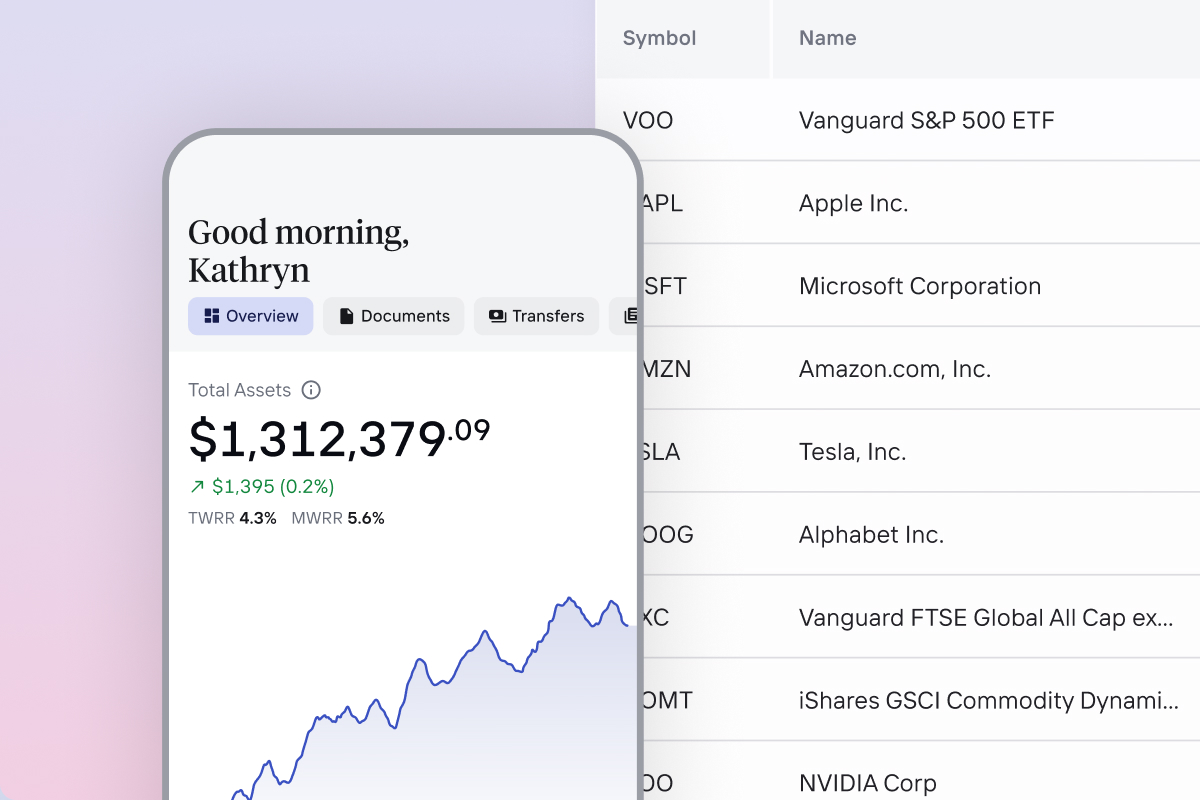
Modern wealth management software must provide real-time access to portfolio data, documents, and insights through secure, branded client portals. Increasingly, clients also expect intelligent, context-aware experiences, where AI-native platforms surface relevant information based on goals, life events, and financial behavior rather than relying on static dashboards alone.
Key Takeaway: Client expectations now center on intelligent, real-time experiences. AI-native wealth management software helps firms move beyond static portals by delivering context-aware insights that strengthen engagement and trust.
2. How AI-Native Wealth Management Platforms Enable RIAs to Scale Without Adding Headcount
Growth should not require proportional increases in operational staff. Yet many firms experience exactly that when outdated systems fail to scale.
Modern wealth management platforms enable scale by unifying CRM, portfolio data, plans, and client goals into a single workflow. AI-native and agentic automation reduces manual effort across onboarding, servicing, rebalancing, and reporting by coordinating tasks and surfacing next best actions within existing workflows. This allows advisors and operations teams to manage larger books of business without sacrificing quality.
In practice, this means firms can configure agentic workflows that automatically coordinate work across teams. For example, when a client completes onboarding or updates a financial goal, an AI-native platform can surface the next required actions across CRM, portfolio management, and compliance without manual handoffs or duplicate data entry. Advisors remain in control, but operational effort shifts from task management to oversight and client engagement.
Scalability is not accidental. It is the result of selecting wealth management software built for growth, where intelligence is embedded into the platform itself rather than layered on as point solutions.
Key Takeaway: AI-native platforms allow firms to scale by coordinating work across teams, not by adding more tools or staff. When intelligence is embedded into workflows, growth becomes a function of orchestration rather than headcount.
3. Why Embedded, AI-Supported Compliance Is Essential in Modern Wealth Management Software
Compliance expectations continue to rise for RIAs and wealth firms. Manual checklists and after-the-fact reviews introduce risk, slow advisors down, and increase audit burden.
Modern wealth management software embeds compliance directly into daily workflows. This includes automated alerts for outdated risk profiles, real-time audit trails tracking advisor actions and approvals, and built-in checks to ensure documentation completeness. In AI-native platforms, agentic intelligence helps monitor workflows in real time, flagging exceptions and guiding users to resolution while maintaining human oversight.
Embedded compliance reduces operational risk while allowing advisors to stay focused on clients. It is no longer a differentiator. It is a requirement.
Key Takeaway: Compliance is most effective when it operates continuously within daily workflows. AI-supported monitoring helps firms identify issues earlier and reduce audit risk without slowing advisors down.
4. How AI-Native Wealth Management Software Enables Personalized Advice at Scale
Clients expect advice tailored to their lives, goals, and values. Delivering personalization at scale requires unified data across accounts, households, and external sources.
Modern wealth management platforms aggregate client data into a single view, support goal-based segmentation, and deliver personalized dashboards tied to real objectives. AI-native platforms use agentic insights to interpret client context, helping advisors identify timely planning opportunities and behavioral signals without relying on manual analysis.
When personalization is powered by unified data, automation, and embedded intelligence, it becomes repeatable and scalable rather than manual and inconsistent.
Key Takeaway: AI-native personalization turns fragmented client data into actionable insights, enabling advisors to deliver tailored advice consistently without increasing manual effort.
5. Unified vs. Siloed Wealth Management Systems: Why Integration Matters for AI-Native Platforms
Disconnected systems create data errors, duplicate work, and inconsistent client experiences. As firms grow, siloed tools become operational bottlenecks and sources of risk.
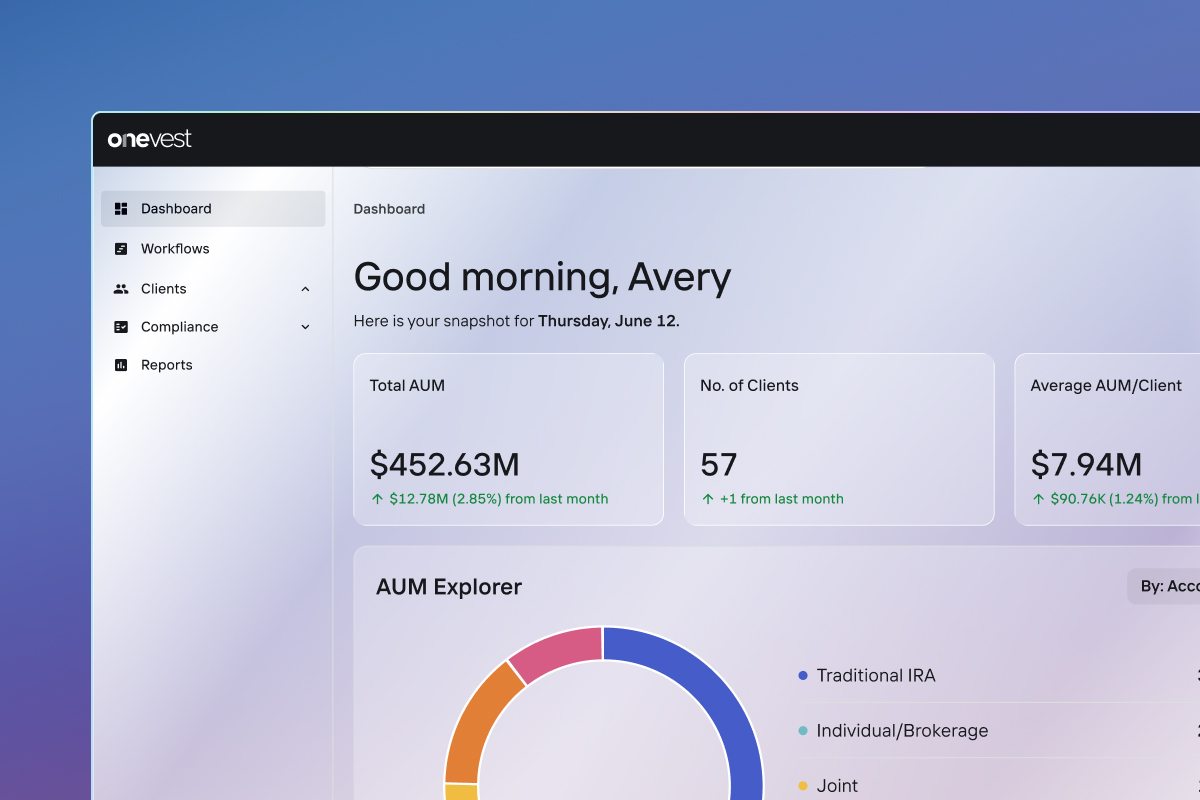
Best-in-class wealth management software is built on an integrated, API-first architecture that connects CRM, custodians, portfolio data, compliance, and reporting. AI-native platforms depend on this unified data foundation, enabling agentic workflows that operate across the firm rather than within isolated tools. A unified platform provides a single source of truth and a single pane of glass for advisors and operations teams.
This unified foundation becomes even more critical as firms introduce AI into their operating model. Agentic AI depends on consistent, high-quality data across systems to interpret context and act reliably. Without a unified platform, AI insights remain fragmented, limited to individual tools rather than enabling coordinated workflows across the firm.
Key Takeaway: Agentic AI depends on unified data and workflows to deliver real operational value. Without an integrated platform, AI remains fragmented and unable to drive coordinated action across the firm.
AI-Native vs. AI-Enabled: Why Architecture Matters
AI-enabled tools apply intelligence at the surface level, generating insights or recommendations within individual applications. While useful, these capabilities are constrained by fragmented data and disconnected workflows.
AI-native platforms embed intelligence directly into the system’s architecture. By unifying data, workflows, and permissions, they enable agentic AI to interpret context, coordinate actions across teams, and support execution across the firm. The difference is not whether AI exists, but whether intelligence can operate across the business or remains confined to isolated tools.
6. How Digital and Intelligent Onboarding Improves Client Experience and Advisor Efficiency
Onboarding is one of the most critical moments in the client lifecycle. Friction at this stage erodes trust before the relationship even begins.
Modern wealth management platforms streamline onboarding through digital KYC and AML verification, automated document collection, e-signatures, and pre-populated forms that reduce errors and rework. In AI-native platforms, agentic workflows help coordinate onboarding steps, reducing delays and ensuring requirements are met before accounts move forward.
Faster onboarding benefits both sides. Advisors engage clients sooner and recognize revenue faster. Clients experience a smooth, professional start that builds confidence in the firm.
Key Takeaway: Digital, AI-coordinated onboarding reduces friction for clients while accelerating advisor workflows, helping firms improve first impressions and recognize revenue sooner.
7. How to Choose the Right AI-Native Wealth Management Platform for Long-Term Growth
Selecting wealth management software is one of the most consequential decisions an RIA or wealth firm can make. The right platform impacts every aspect of the business, from client experience and advisor productivity to compliance, scalability, and profitability.
Firms that treat technology as strategy invest in AI-native, unified platforms with embedded compliance, intelligent automation, and scalable personalization. These investments compound over time by reducing operational friction and enabling consistent execution across the firm.
The result is efficient operations, differentiated client experiences, and the freedom to keep the focus where it belongs: on clients, not technology.
Key Takeaway: Choosing an AI-native wealth management platform is a long-term strategic decision. Firms that prioritize unified architecture and embedded intelligence position themselves to scale efficiently and adapt as client expectations evolve.
Conclusion
Wealth management software is no longer just infrastructure. It is a strategic lever for growth, trust, and long-term differentiation. By evaluating platforms through the lens of experience, scalability, compliance, integration, and AI-native architecture, RIAs and wealth firms can make confident decisions that support both today’s needs and tomorrow’s growth.
What’s Next in This Series
This Buyer’s Guide sets the foundation for evaluating wealth management software at a high level. In the next articles in this series, we will dive deeper into each of the seven areas covered here, including client experience, scalability, compliance, personalization, integration, onboarding, and the role of agentic AI in modern wealth management platforms, with practical insights to help firms make confident, informed technology decisions.
FAQ: Wealth Management Software for RIAs and Wealth Firms
What is wealth management software?
Wealth management software is the core platform RIAs and wealth firms use to manage clients, portfolios, operations, and compliance. Increasingly, AI-native platforms serve as the operating system that supports advisor productivity, client experience, and scalable growth.
What should RIAs and wealth firms look for in wealth management software?
Firms should look for unified, AI-native platforms that combine CRM, portfolio data, workflows, compliance, and reporting. Key considerations include intelligent automation, scalability, embedded compliance, personalization, and integration capabilities.
How does wealth management software improve client experience?
Modern platforms provide real-time access to portfolio data, documents, and insights through secure client portals. AI-native platforms enhance this experience by surfacing relevant, context-aware insights that help clients better understand their financial progress.
Can wealth management software help firms scale without adding staff?
Yes. AI-native automation and unified workflows reduce manual effort, allowing advisors and operations teams to manage more clients and assets without proportional increases in headcount.
Why is embedded compliance important in wealth management software?
Embedded compliance ensures regulatory checks, documentation, and audit trails are built into daily workflows. AI-supported monitoring helps identify exceptions early, reducing risk and improving advisor efficiency.
What is the advantage of a unified, AI-native wealth management platform?
Unified, AI-native platforms eliminate data silos, improve data accuracy, and enable intelligent, agentic workflows across advisors, operations, and compliance teams.
Sources
1. McKinsey & Company, Advisor Productivity and Capacity
https://www.wealthmanagement.com/wealth-management-industry-trends/mckinsey-estimates-advisor-shortage-of-100-000-by-2034
2. Accenture, The New State of Advice
https://www.institutionalinvestor.com/article/2dnl8j9j1apvk1054iayo/ria-intel/the-new-state-of-advice